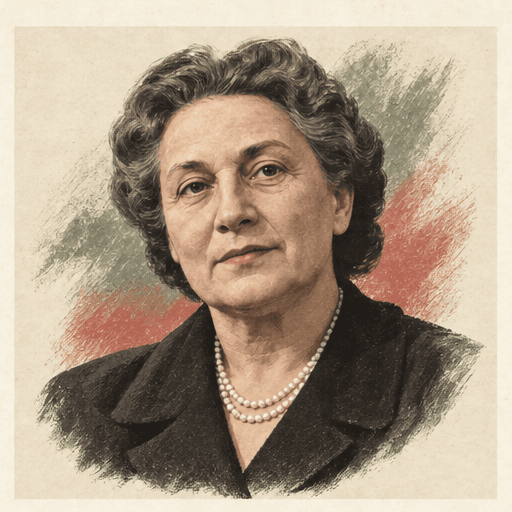
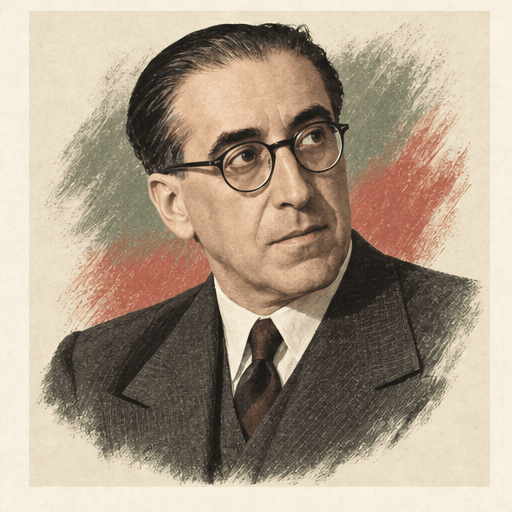
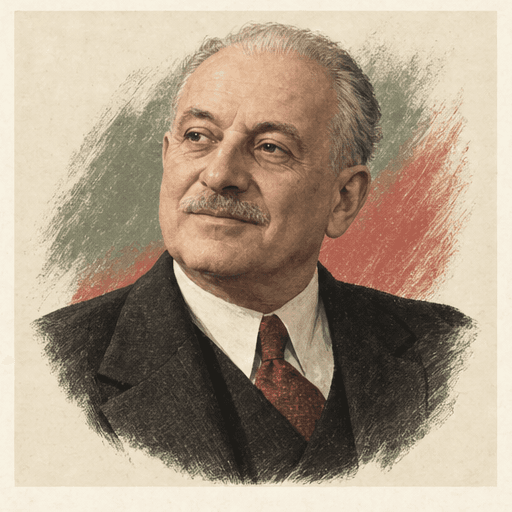
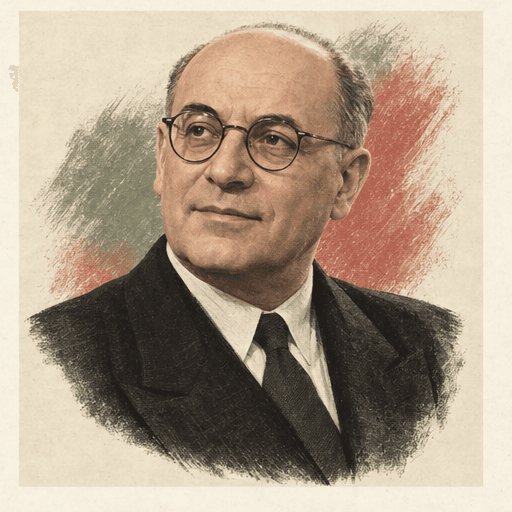
The Constitution grew out of encounters — and conflict — between different experiences, ideas and lives. Six faces open a door onto a much larger collective history.
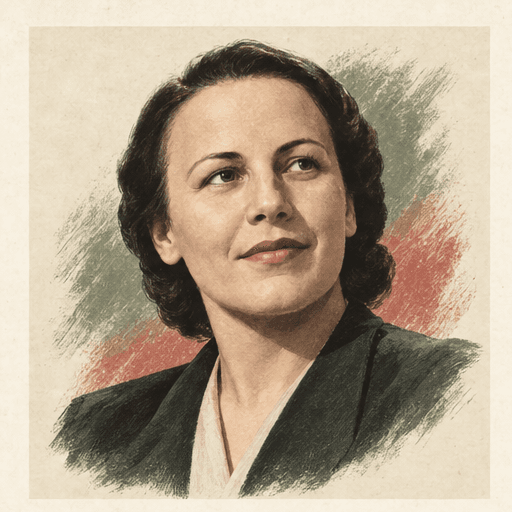
AI-illustrated portraits · editorial interpretations, not archival photographs
556elected members
21elected women
75Committee members
18months of work
From the vote to the Charter
Eighteen months that change Italy.
01
The Republic is chosen
The institutional referendum and the election of the Constituent Assembly open a new democratic era. For the first time, women take part in a national political vote.
02
The Assembly convenes
Montecitorio welcomes 556 elected members, including 21 women. Their task is to give legal form to the newly chosen Republic.
03
The Committee of 75 begins
The Constitutional Committee, chaired by Meuccio Ruini, divides its work among three subcommittees covering rights, institutions and economic and social relations.
04
The draft reaches the Chamber
The general debate begins. Distant political traditions confront one another article by article and search for common constitutional ground.
05
The Charter is approved
After 170 sittings devoted to the Constitution, the Assembly approves the final text by 453 votes to 62.
06
The Constitution comes alive
Signed on 27 December, the Constitution enters into force: not a static monument, but a commitment entrusted to every generation.
Women and men who shaped it
Six lives within a shared history.
This is not a complete list of authors: it is an entry point. The Constitution is the work of an entire Assembly and many different political traditions.
AI illustration
01
Family and equality
Nilde Iotti
In the Committee of 75 she works on citizens’ rights and duties. As rapporteur on the family, she argues for the legal equality of spouses and protection for children.
Did you know?
In 1979 she becomes the first woman President of the Chamber of Deputies, holding the office for thirteen years.
In their words
“A work of modernisation and democratic renewal is required.”
At twenty-five she is the Assembly’s youngest member. She speaks for women workers, the protection of mothers and children and women’s access to the judiciary.
Did you know?
She is also remembered for proposing mimosa as the Italian symbol of International Women’s Day.
A jurist and member of the Committee of 75, he brings constitutional safeguards and the living relationship between rules, freedom and participation into the debate.
Did you know?
His celebrated 1955 lesson to students describes the Constitution as a project that needs daily energy.
In their words
“The Constitution is not a machine that, once set in motion, goes on by itself.”
President of the Assembly from February 1947, he guides the decisive stage of debate, presides over the final vote and signs the Constitution with De Nicola and De Gasperi.
Did you know?
The Assembly holds 347 sittings, 170 of them directly devoted to the constitutional debate.
In their words
“The Constitution unequivocally calls for the reforms claimed by the Italian people.”
Dates, roles and quotations are drawn from publications, biographies and proceedings of the Chamber of Deputies and the Senate. Quotations are translated; square brackets mark an editorial cut.

 AI illustration